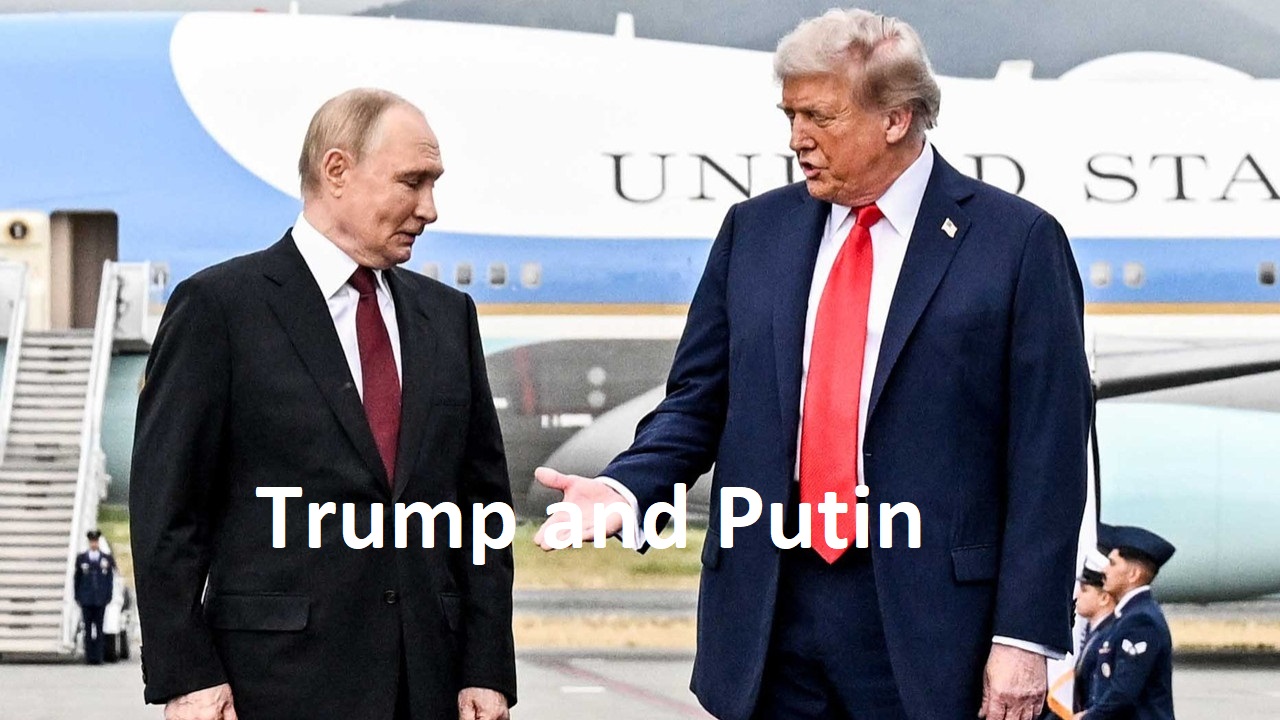
Trump and Putin The relationship between Donald Trump, former President of the United States, and Vladimir Putin, President of Russia, has been one of the most scrutinized and debated aspects of modern geopolitics. Their interactions, both public and private, have influenced international diplomacy, domestic politics, and global perceptions of leadership. Understanding this dynamic requires examining their personal rapport, political agendas, and the broader implications for the world stage.
Early Encounters and Public Perception
From the beginning of Trump and Putin political rise, speculation about his stance toward Russia and Putin was a recurring theme. During his 2016 presidential campaign, Trump often expressed admiration for Putin’s leadership style, which raised eyebrows in Washington and across the globe. While Trump characterized Putin as a strong and decisive leader, critics argued that such statements suggested an unusual affinity that could complicate U.S. foreign policy.
Public perception of Trump’s relationship with Putin was also shaped by the media and political opponents. Headlines frequently highlighted Trump’s reluctance to criticize Russia and his ambiguous responses to questions about Russian interference in the 2016 election. These narratives created a polarized view: some Americans saw Trump as pragmatic and willing to engage diplomatically, while others perceived a dangerous closeness to a strategic adversary.
Beyond the media, international leaders also took note. Allies in NATO and the European Union expressed concerns about Trump and Putin approach to Russia, fearing that his personal rapport with Putin might override established protocols and alliances. This early phase of interaction laid the groundwork for a complex narrative that would continue throughout Trump’s presidency.
Diplomatic Engagements and Controversial Summits

One of the most publicized aspects of the Trump and Putin -Putin relationship was their high-profile summits. The 2018 Helsinki summit, in particular, became a focal point of global attention. Trump and Putin met to discuss a range of topics, including arms control, cybersecurity, and geopolitical conflicts. However, Trump’s handling of the press conference that followed drew widespread criticism for appearing to side with Putin over U.S. intelligence agencies.
Despite the controversy, these summits also highlighted Trump’s unconventional approach to diplomacy. Unlike his predecessors, Trump often favored direct, personal engagement with world leaders, believing that strong personal chemistry could resolve longstanding tensions. Critics argued that this style risked undercutting traditional diplomatic channels and could embolden adversaries, while supporters maintained it opened new avenues for negotiation.
The outcomes of these diplomatic encounters were mixed. Some agreements, such as discussions on nuclear arms reduction, reflected potential progress, while other issues, particularly Russian aggression in Ukraine and Syria, remained contentious. The summits underscored the delicate balance between personal diplomacy and national interest, and how the world interpreted every gesture and statement in the Trump and Putin -Putin dynamic.
Domestic Controversies and Investigations
Trump’s relationship with Putin was not only a matter of international interest; it became a central topic of domestic political debate. Allegations of Russian interference in the 2016 U.S. presidential election led to multiple investigations, most notably the Mueller investigation. While Trump and Putin consistently denied collusion, the scrutiny of his interactions with Russian officials and his perceived leniency toward Putin created a lasting political storm.
These controversies shaped congressional hearings, media coverage, and public opinion. Trump’s supporters often framed the scrutiny as partisan attacks aimed at undermining his presidency, while critics saw the investigation as a necessary check on potential foreign influence in American politics. The debate over Trump and Putin became symbolic of broader questions about transparency, loyalty, and the integrity of democratic institutions.
Additionally, Trump and Putin domestic rhetoric about Russia frequently oscillated between criticism and praise. He criticized some Russian actions, such as election interference, while simultaneously praising Putin’s leadership. This duality contributed to a narrative of unpredictability, making it difficult for allies and adversaries alike to anticipate U.S. policy moves and signaling a departure from traditional foreign policy approaches.
Strategic Interests and Global Implications
The Trump and Putin relationship must also be understood in the context of strategic interests. Russia and the United States have long-standing tensions in areas such as Ukraine, Syria, and cybersecurity. Trump’s presidency introduced a new dynamic, as his emphasis on personal diplomacy sometimes clashed with established strategic policies, yet also created opportunities for dialogue on complex issues like nuclear arms control.
For Putin, engaging with Trump offered potential advantages, including the possibility of weakened sanctions, reduced NATO influence, and a U.S. administration willing to engage in bilateral discussions without rigid preconditions. For Trump, cultivating a working relationship with Russia could theoretically lead to breakthroughs in areas that had long frustrated American policymakers, though this came with significant political risk domestically.
On the global stage, the Trump-Putin dynamic has left a lasting imprint. Allies and adversaries alike recalibrated their expectations of U.S. foreign policy. While some praised Trump and Putin for his bold approach, others worried about the precedent it set for international norms, the potential for miscommunication, and the balance of power in key regions.
The Post-Presidency Perspective
Even after leaving office, Trump and Putin views on Putin continue to influence public discourse and Republican Party politics. He has maintained a complex stance, often highlighting moments of agreement or mutual respect while downplaying areas of conflict. Analysts note that this ongoing dialogue shapes how current and future U.S. administrations engage with Russia, emphasizing the lasting impact of personal relationships in international diplomacy.
Furthermore, Trump’s continued commentary on Putin reflects broader themes in his political identity—valuing strength, decisive leadership, and transactional approaches to negotiations. For supporters, this reinforces a pragmatic view of foreign policy; for critics, it signals potential vulnerabilities in U.S. geopolitical strategy. The Trump and Putin -Putin relationship thus remains a lens through which historians, political scientists, and journalists assess the interplay between personal affinity and national interest.
Conclusion
The relationship between Donald Trump and Vladimir Putin is a multifaceted and controversial aspect of modern global politics. It combines personal chemistry, strategic calculations, domestic controversy, and international implications. Understanding this relationship requires more than examining individual interactions—it demands a nuanced appreciation of political psychology, diplomacy, and the unpredictable nature of leadership. Whether viewed as a bold experiment in personal diplomacy or a risky departure from tradition, the Trump-Putin dynamic continues to shape both U.S. policy and global perceptions of power.