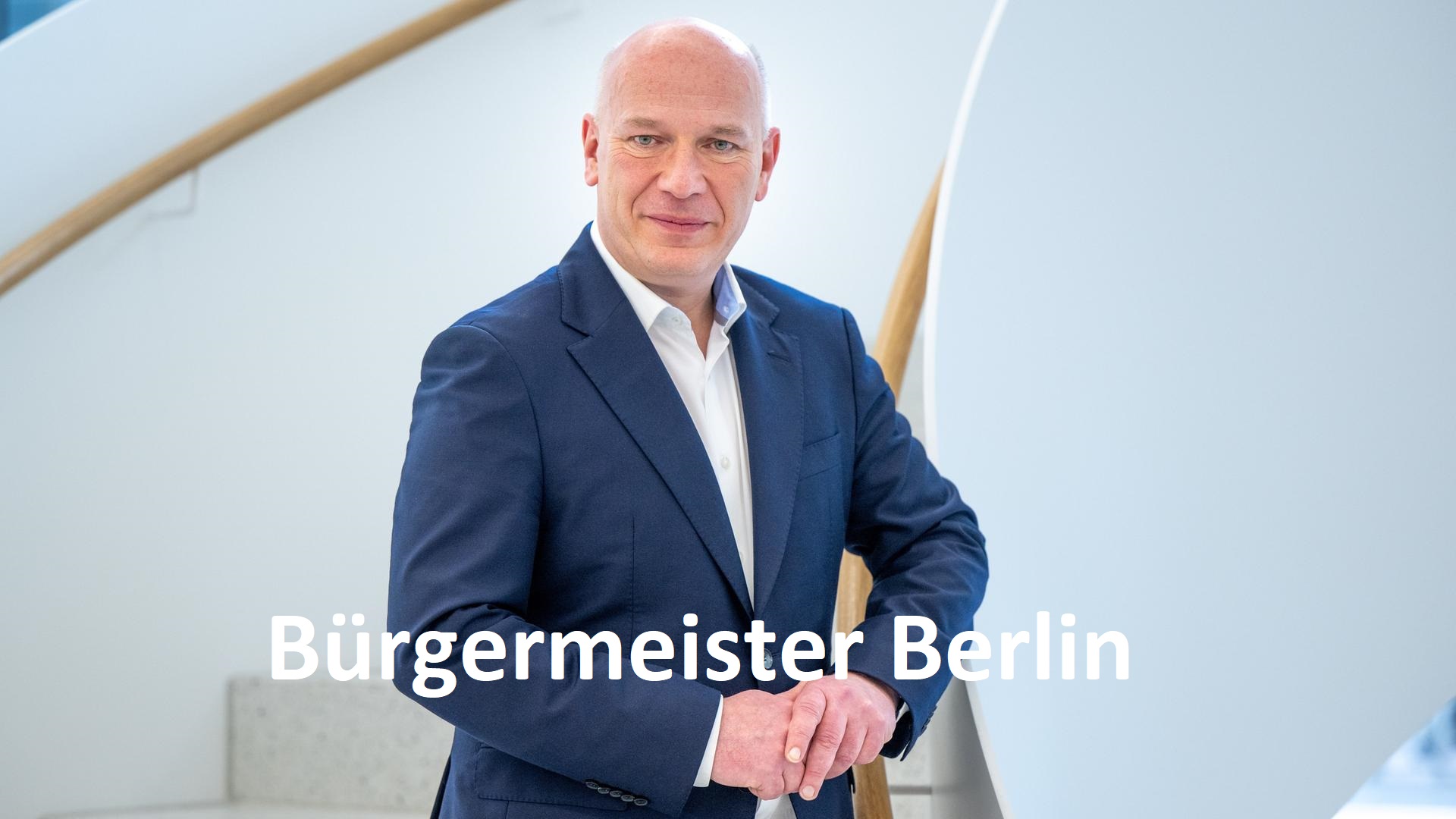
Bürgermeister Berlinis more than just Germany’s capital—it’s a city of culture, politics, innovation, and history. And at the center of all that stands the Bürgermeister von Berlin, or the Mayor of Berlin. The position is one of the most influential political offices in Germany, shaping not only the future of the city but often playing a major role in national politics as well. Let’s dive deep into who the Bürgermeister of Berlin is, what they do, and why their leadership matters so much to both Berliners and Germany as a whole.
The Role of the Bürgermeister Berlin: More Than Just a Title
When people hear the word Bürgermeister, they usually think of a typical city mayor—someone managing public services, infrastructure, and local laws. But in Berlin, the position is a bit more complex and carries far more political weight A Dual Role: Mayor and Head of Government
The Governing Mayor of Berlin (Regierender Bürgermeister) isn’t just a symbolic figure. Berlin is a city-state, meaning it functions both as a city and a federal state (Bundesland). So, the Bürgermeister serves as both the head of the city’s administration and the leader of Berlin’s state government. This gives the role a lot of power in areas like education, policing, housing, and transport A Voice on the National Stage
Because Berlin is Germany’s capital, the mayor often has a seat at the table in national political discussions. The Bürgermeister Berlin regularly interacts with the Bundeskanzler (Chancellor) and other state leaders to discuss policies that affect the whole country—from housing reform to environmental planning A Symbol of the City’s Identity
The mayor also embodies Berlin’s character—diverse, progressive, and bold. Whether addressing global conferences or welcoming world leaders, the Bürgermeister Berlin represents the city’s voice to the world, highlighting Berlin’s role as a hub for democracy, creativity, and freedom.
A Quick Look at Berlin’s Political System

Bürgermeister Berlin To really understand the power and influence of the Bürgermeister Berlin, you need to know how Berlin’s government works A City-State Like No Other
Berlin, along with Hamburg and Bremen, is one of Germany’s three city-states. This means the city’s local government also acts as a state government, giving it authority over laws that usually belong to regional parliaments elsewhere in Germany The House of Representatives (Abgeordnetenhaus)
The Abgeordnetenhaus von Berlin is Berlin’s parliament, and it’s where the mayor is elected. Members of different parties debate, pass laws, and vote on who becomes the next Governing Mayor. The winning candidate usually comes from the largest or leading coalition party The Senate of Berlin
The Senat von Berlin is basically the city’s cabinet, made up of senators (similar to ministers) responsible for areas like education, transportation, or health. The Bürgermeister leads this team, guiding the political direction of the entire city.
Historical Background: From Division to Unity
Berlin’s political history is unlike any other European capital’s. The position of Bürgermeister has evolved dramatically, especially in the past centuryThe Pre-War and Post-War Eras
Before World War II, Berlin’s mayor was a straightforward city leader. But after the war, things changed. When Germany split into East and West, Berlin did too. This resulted in two separate mayors—one in East Berlin (the socialist capital of the GDR) and one in West Berlin (a democratic enclave) The Cold War Years
During the Cold War, the West Berlin Mayor became a symbol of resistance and freedom. One of the most famous was Willy Brandt, who later became Germany’s Chancellor. His time as mayor (1957–1966) solidified Berlin’s reputation as a city of resilience and hope amid global tensions After Reunification
When the Berlin Wall fell in 1989, the city was reunited, and so was its leadership. The Bürgermeister Berlin once again became the head of a single, united Berlin. Since then, the position has adapted to a fast-growing, multicultural, and globally connected metropolis.
Famous Mayors of Berlin: Shaping the City’s Identity
Berlin’s history is full of strong personalities who’ve left lasting marks on the city through their leadership, reforms, and ideas Willy Brandt: The Mayor Who Inspired the World
As mentioned, Willy Brandt was perhaps the most iconic Bürgermeister Berlin. During the height of the Cold War, he represented courage, diplomacy, and compassion. His leadership helped Berliners maintain hope and unity despite being surrounded by division Klaus Wowereit: “Poor but Sexy”
Another memorable mayor, Klaus Wowereit, led Berlin from 2001 to 2014. He famously described Berlin as “arm, aber sexy” (poor but sexy)—a phrase that perfectly captured the city’s rebellious, creative spirit during its post-reunification phase. Wowereit supported culture, nightlife, and diversity, making Berlin a magnet for artists and startups worldwide Franziska Giffey: A Modern Face of Leadership
In recent years, Franziska Giffey, from the Social Democratic Party (SPD), became the city’s first female Governing Mayor. Her leadership focused on affordable housing, safety, and modernization. Her presence represented a step forward in gender equality in Berlin politics.
The Challenges Facing the Bürgermeister Berlin Today
Being the Bürgermeister of Berlin today isn’t just about attending ribbon-cutting ceremonies or giving speeches. The city faces huge challenges that demand smart, balanced leadershi Housing and Urban Development
Berlin’s population keeps growing, and so do rent prices. Affordable housing is a major issue, and the mayor must balance investors’ interests with the needs of ordinary citizens. Initiatives like rent caps and social housing projects are central to modern Berlin politics Public Transport and Infrastructure
From bike lanes to electric buses and U-Bahn extensions, Berlin’s infrastructure needs constant attention. The mayor plays a key role in pushing green, sustainable transport systems to reduce emissions and traffic congestion Immigration and Social Integration
Berlin is one of the most multicultural cities in Europe. With residents from over 180 nationalities, the mayor must ensure integration policies that promote equality and social harmony—something crucial for the city’s unity and progress.
The Cultural Influence of the Berlin Mayor
Politics and culture often overlap in Berlin, and the mayor is frequently at the heart of both Supporting Art and Innovation
Berlin’s mayor traditionally supports creative industries—from film and fashion to tech and startups. Festivals like the Berlinale (Berlin Film Festival) and countless music, art, and digital events receive backing from city initiatives encouraged by the mayor’s office Championing Diversity
The Bürgermeister Berlin also stands as a champion of inclusion. Berlin celebrates LGBTQ+ rights, gender equality, and freedom of expression, and the mayor often takes a visible stand at major cultural events like Christopher Street Day (Pride Parade) Representing the City Abroad
From cultural diplomacy to economic summits, the Bürgermeister travels internationally to promote Berlin’s global image. Whether in Paris, New York, or Tokyo, Berlin’s mayor presents the city as a hub of innovation, tolerance, and opportunity.
The Future of Berlin’s Leadership
So what lies ahead for the Bürgermeister Berlin? The position continues to evolve as Berlin itself changes Digital Transformation
The next big wave is digital governance—smart city technology, online services, and data-driven planning. The mayor’s office is working toward making Berlin not just modern, but digitally efficient and citizen-focused Environmental Responsibility
As climate change becomes a more urgent issue, the Bürgermeister Berlin will play a central role in transforming Berlin into one of Europe’s greenest capitals—through renewable energy, cleaner transportation, and urban gardening initiatives A City That Keeps Reinventing Itself
Berlin is known for transformation. From war ruins to tech startups, from division to diversity—the city constantly reinvents itself. The Bürgermeister Berlin must keep that spirit alive: open-minded, forward-thinking, and people-driven.
Conclusion: Why the Bürgermeister Berlin Matters
The Bürgermeister Berlin is far more than just a local politician. They’re a leader whose influence stretches across Germany and even the world. The position requires vision, resilience, and a deep understanding of what makes Berlin tick—a blend of creativity, diversity, and determination.
Every mayor has added their unique touch to the city’s story, shaping Berlin into the global icon it is today. From Willy Brandt’s courage to Klaus Wowereit’s charisma and Franziska Giffey’s modern outlook, the role continues to define the beating heart of Germany’s capital.
Berlin will always be a city of change—and its Bürgermeister will always be at the center of that change.